Grof — wines from the terraces of Šmarje
Šmarje, Vipava Valley · Slovenia
 © Vina Grof
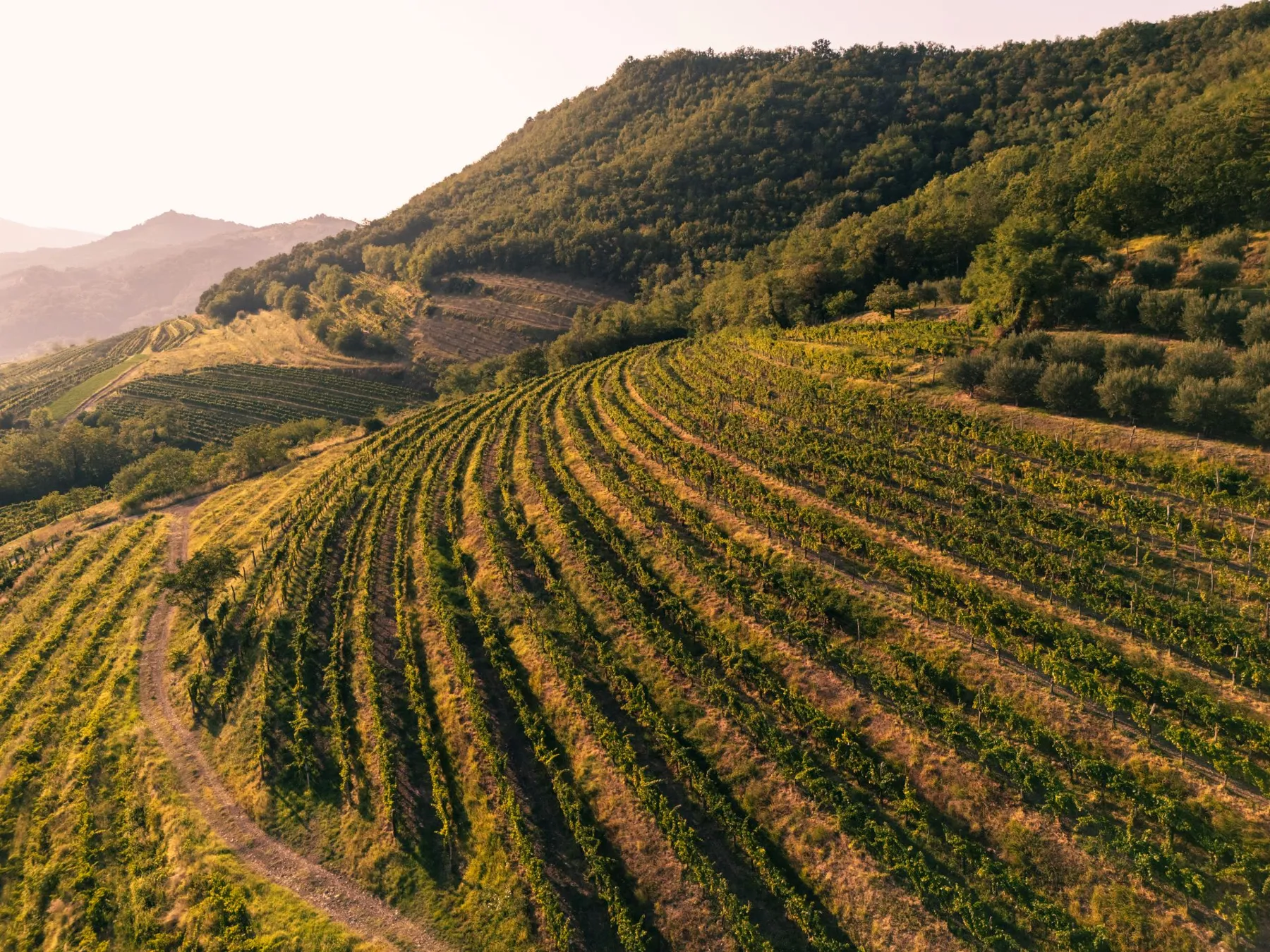
On the southern slope of the Vipava hills, in the medieval village of Šmarje, lies the Grof estate with ten hectares of flysch terraces. From fresh whites to Cru selections and the rare native poljšakica: wines shaped by the land, the Mediterranean wind and a patient cellar.
- Location
- Šmarje, Vipava Valley
- Estate
- 10 ha of flysch terraces
- Native grape
- poljšakica, Škol vineyard
- Visits
- cellar visits and tastings by arrangement
 © Vina Grof
A hillside village, an estate on terraces
Šmarje sits on the southern slope of the Vipava hills. Around the village the vineyards step down in terraces, framed by acacia, pine, oak and olive trees. The climate weaves Mediterranean and continental influences together — warm summers, cooler nights and the wind the Vipava Valley knows well.
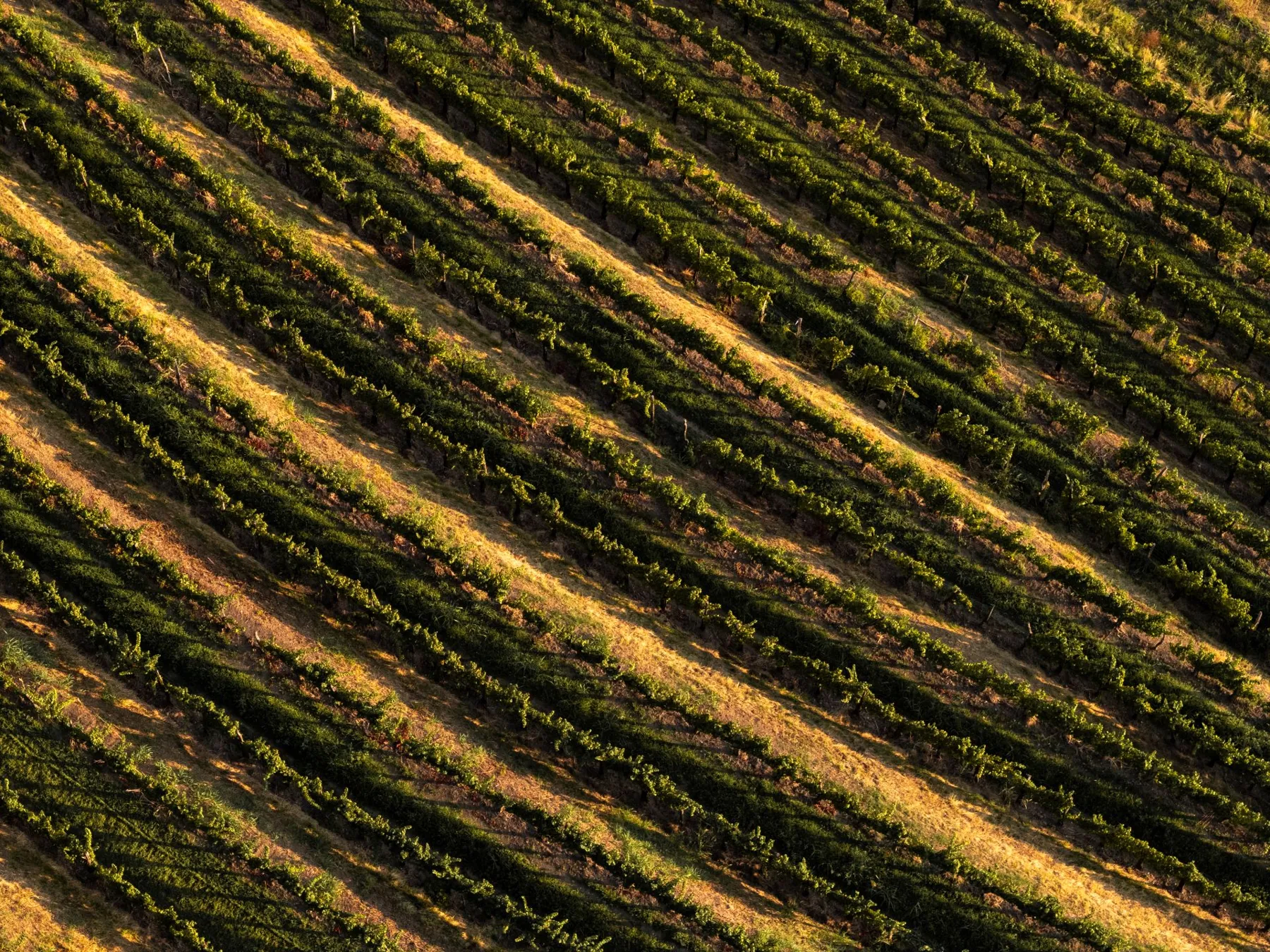
Grof farms ten hectares of these terraces. The soil is skeletal, stony flysch that holds little water, so the vines root deeply and yield little.
© Vina GrofEvery vineyard has its name
Most of the vineyards face south. The exceptions are Postojno and Maratovec, which face east and which Grof uses for Sauvignon Cru and Pinela Cru. The vines are trained to single guyot and yields are low — around a kilo of grapes per vine.
White grapes are picked when acidity and aroma are in balance; reds in the second half of September or early October, once the tannins are ripe too.
Poljšakica, a grape that almost vanished
Poljšakica is an old native white grape of the Vipava Valley. It was once often added to blends because, being hardy, it thrived on sites where other varieties fell short. Today only a few hectares remain. Grof grows it on the flysch terraces of its Škol vineyard and makes a fresh wine from it, lower in alcohol and gentler in acidity.
 © Vina Grof
Fresh wines and Cru
The fresh whites and rosé aim for pure varietal expression: hand-picked grapes are chilled overnight, gently pressed away from oxygen and fermented in temperature-controlled steel. They stay on the fine lees until bottling the following spring.
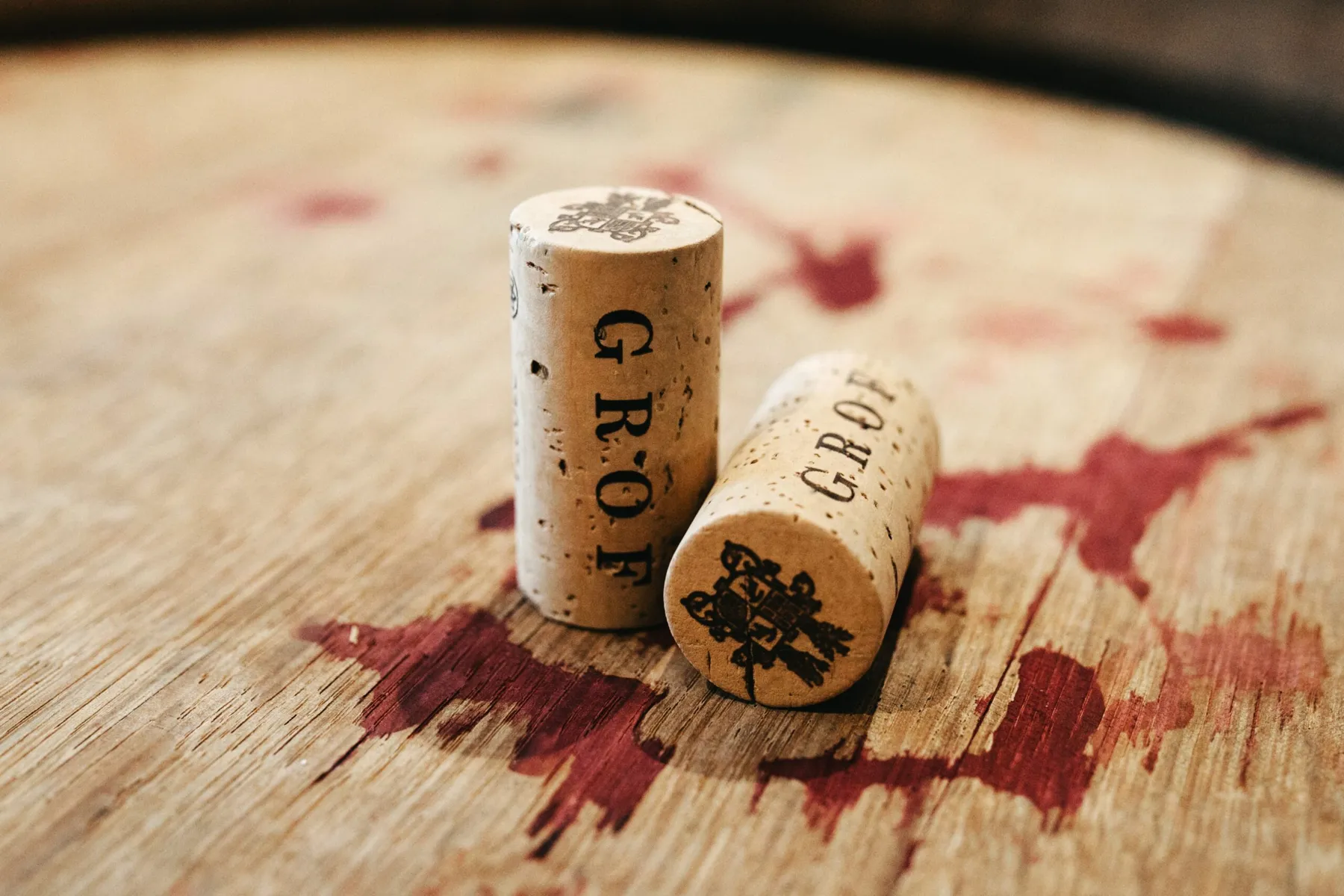
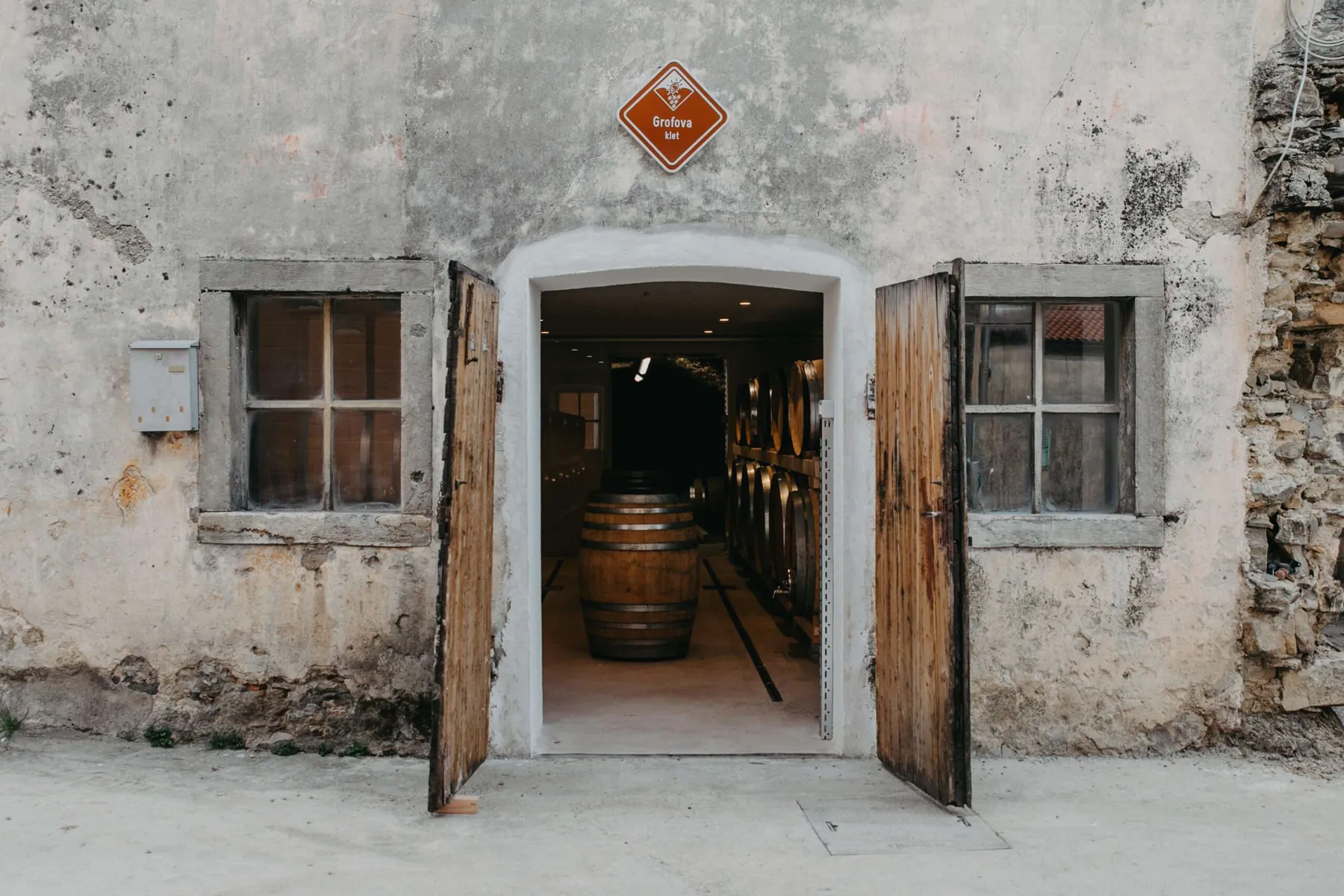
The Cru whites come from selected sites. They ferment spontaneously in French oak and spend six months on the lees, bottled in August of the following year. The Cru reds age eighteen months in cask in an old vaulted cellar dug into the ground. That is why Pinela has two faces: fresh and Cru.
 © Vina Grof
A cellar with a long memory
According to the estate, the cellar dates from the time of Count Ivan Cobenzl, who bought the Šmarje property in 1574; it stayed in the family until 1810. Hence the name Grof — “count”. Šmarje is also linked to Matija Vertovec, the first to write about viticulture in Slovene, who according to Grof visited this cellar.
Cellar visits and guided tastings are possible by prior arrangement.
Fresh line and Cru
- Fresh whites and rosé
- Grapeshand-picked, chilled overnight
- Fermentationsteel, controlled temperature
- Ageingon the lees until spring
- Grof Rosso
- Grapeshand-picked into 20 kg crates
- Fermentation12–15 days' maceration in concrete
- Ageing12 months in larger oak casks
- Cru whites
- Grapesselected sites, about 1 kg per vine
- Fermentationspontaneous, in French oak
- Ageing6 months on the lees, bottled in August
- Cru reds
- Grapesold vineyards, about 1 kg per vine
- Fermentation15–20 days' maceration in 500 l casks
- Ageing18 months in French oak
From Grof's official site; methods may vary by vintage. Sources
With Ines

Selected wines
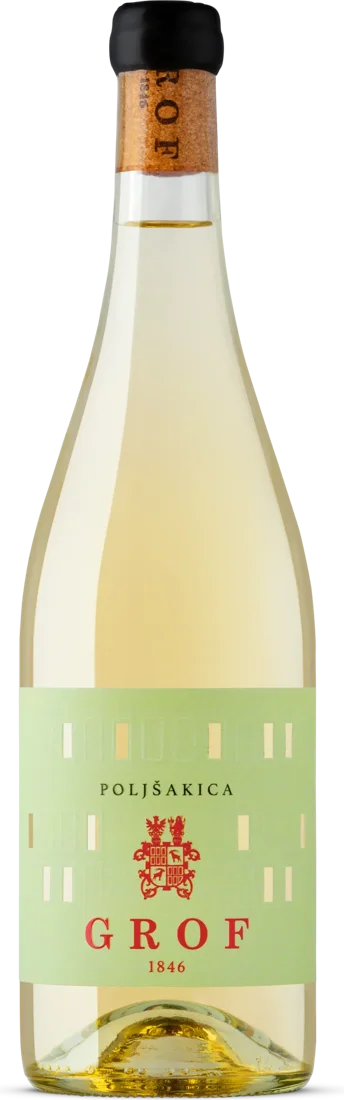 © Vina Grof
Poljšakica
Poljšakica
A rare native Vipava grape from the Škol vineyard; lower in alcohol, with gentle acidity.
Wine details
- In the cellar
- Fresh line: hand-picked, chilled overnight, fermented in steel, aged on the lees until spring.
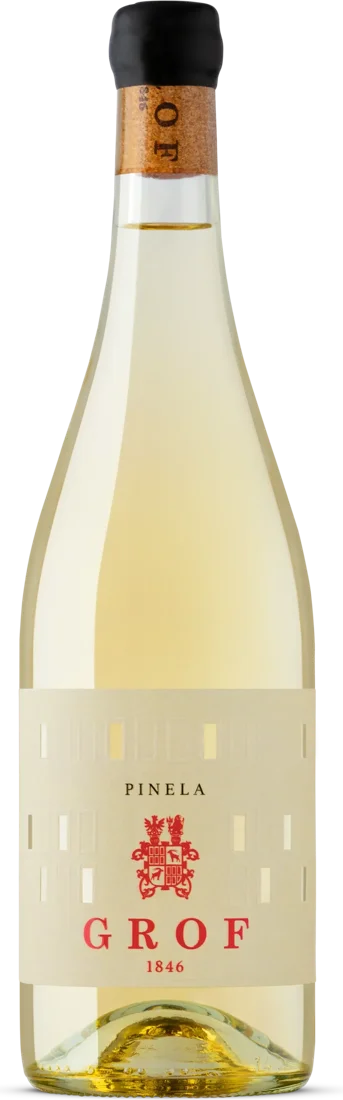 © Vina Grof
Pinela
Pinela
A Vipava grape in a fresh, pure style.
Wine details
- In the cellar
- Fresh line: hand-picked, chilled overnight, fermented in steel, aged on the lees until spring.
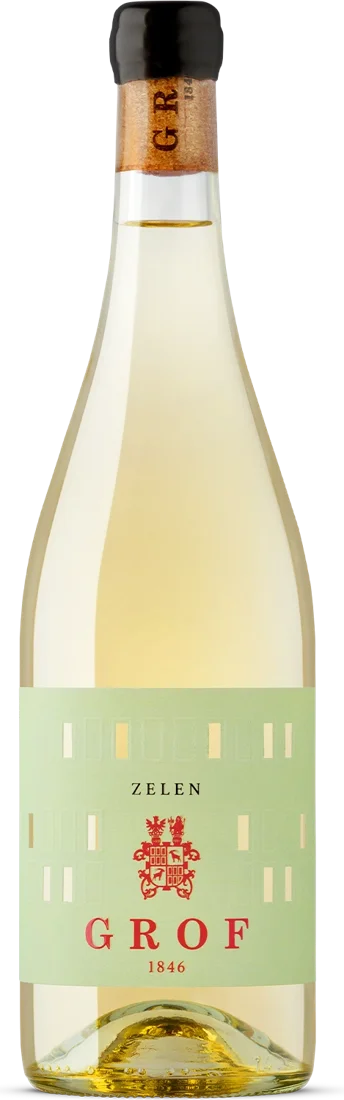 © Vina Grof
Zelen
Zelen
A Vipava white grape, fresh line.
Wine details
- In the cellar
- Fresh line: hand-picked, chilled overnight, fermented in steel, aged on the lees until spring.
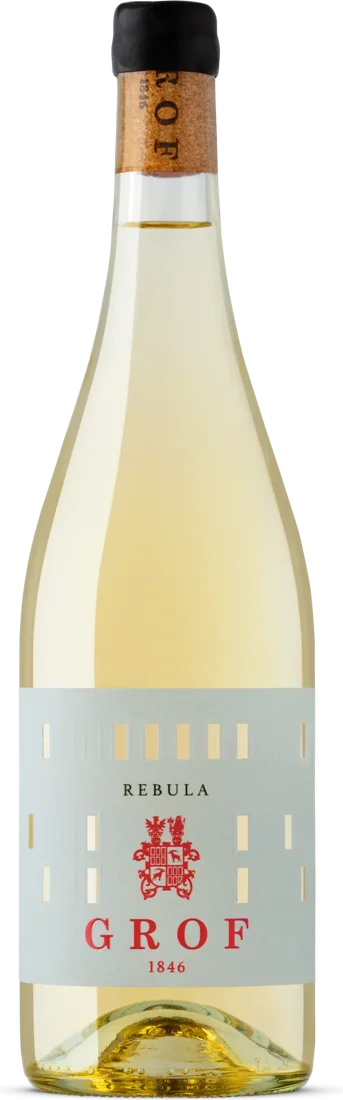 © Vina Grof
Rebula
Ribolla
Ribolla from the flysch terraces, fresh line.
Wine details
- In the cellar
- Fresh line: hand-picked, chilled overnight, fermented in steel, aged on the lees until spring.
 © Vina Grof
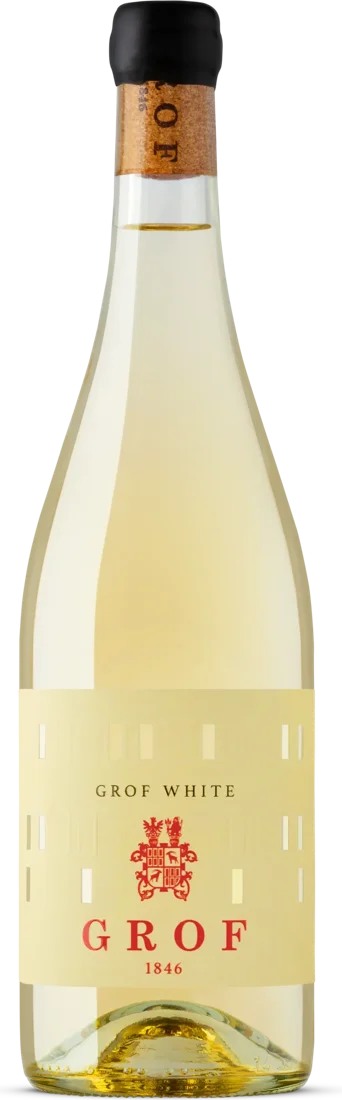
Grof White
A fresh-line white; called Grof Belo on the official site.
Wine details
- In the cellar
- Fresh line: hand-picked, chilled overnight, fermented in steel, aged on the lees until spring.
 © Vina Grof
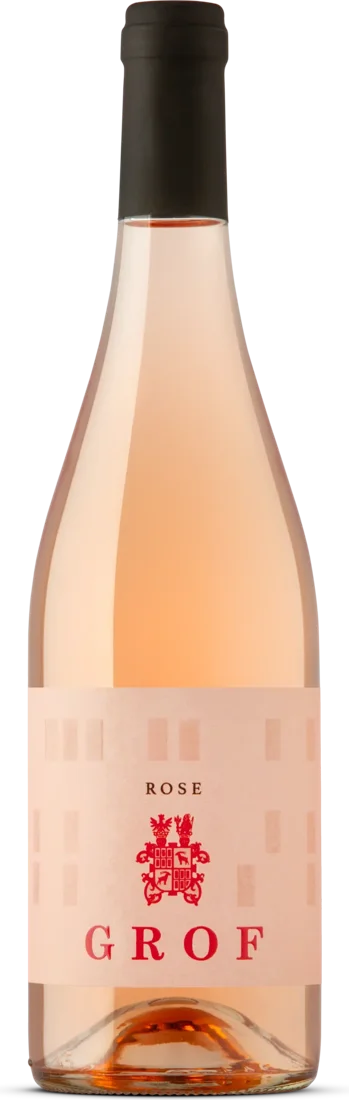
Rosé
A fresh-line rosé, kept away from oxygen for liveliness and fruit.
Wine details
- In the cellar
- Fresh line: hand-picked, chilled overnight, fermented in steel, aged on the lees until spring.
 © Vina Grof
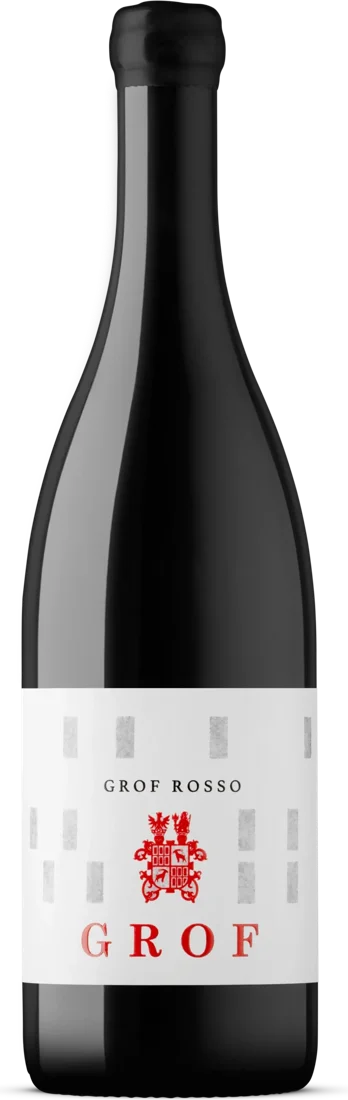
Grof Rosso
The core-range red; called Grof Rdeče on the official site.
Wine details
- In the cellar
- 12–15 days' whole-berry maceration in concrete, 12 months in larger oak casks.
 © Vina Grof
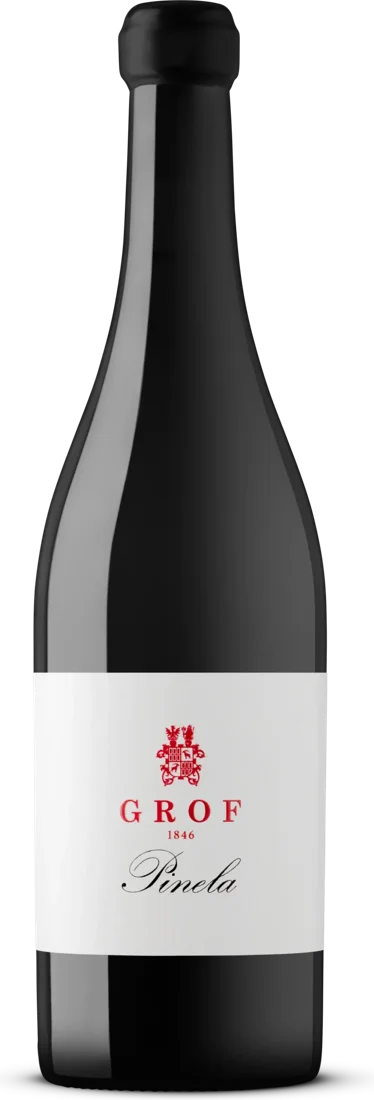
Pinela Cru
Pinela
Pinela's other face: from selected sites, oak-aged.
Wine details
- In the cellar
- Cru: spontaneous fermentation in French oak, 6 months on the lees, bottled in August of the following year.
 © Vina Grof
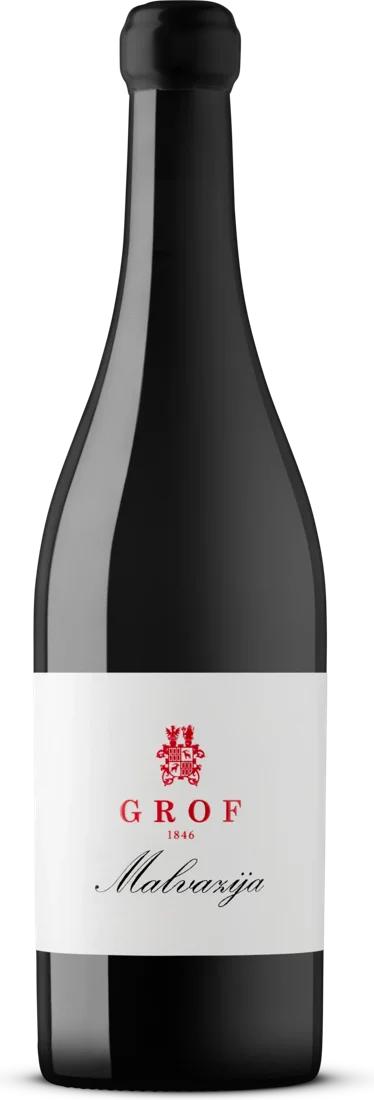
Malvazija Cru
Malvasia
A white Cru selection from Malvasia.
Wine details
- In the cellar
- Cru: spontaneous fermentation in French oak, 6 months on the lees, bottled in August of the following year.
 © Vina Grof
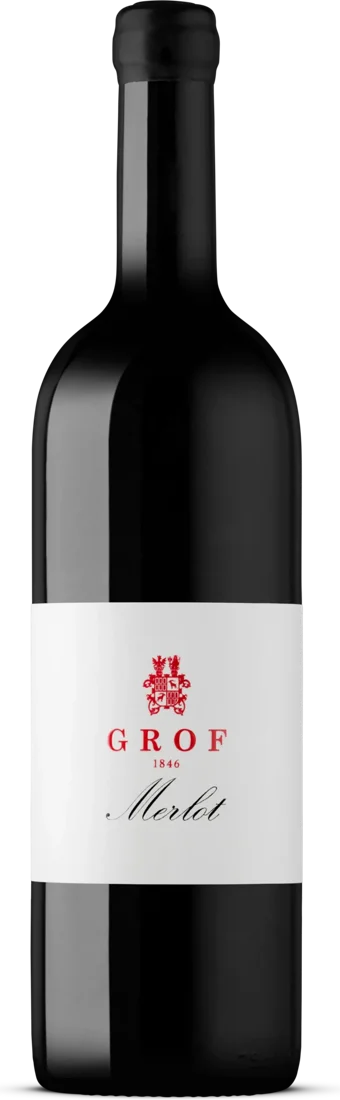
Merlot Cru
Merlot
A red Cru selection, aged in the old vaulted cellar.
Wine details
- In the cellar
- Cru: 15–20 days' maceration in 500 l casks, 18 months in French oak.
 © Vina Grof
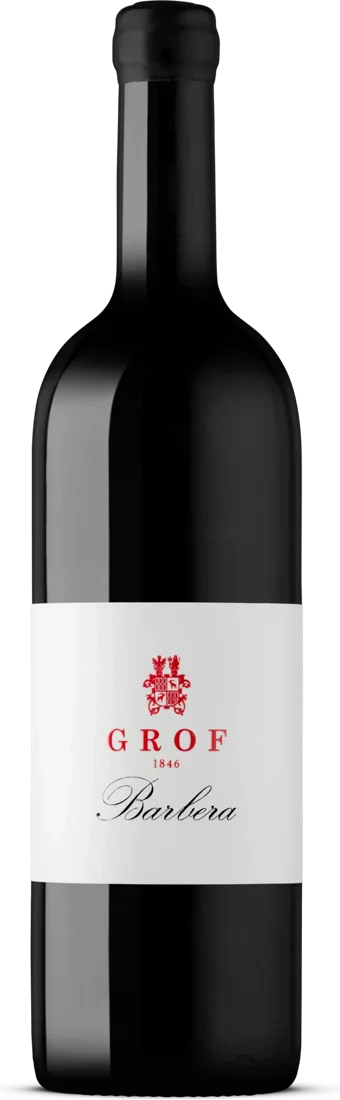
Barbera Cru
Barbera
A red Cru selection from Barbera.
Wine details
- In the cellar
- Cru: 15–20 days' maceration in 500 l casks, 18 months in French oak.
 © Vina Grof
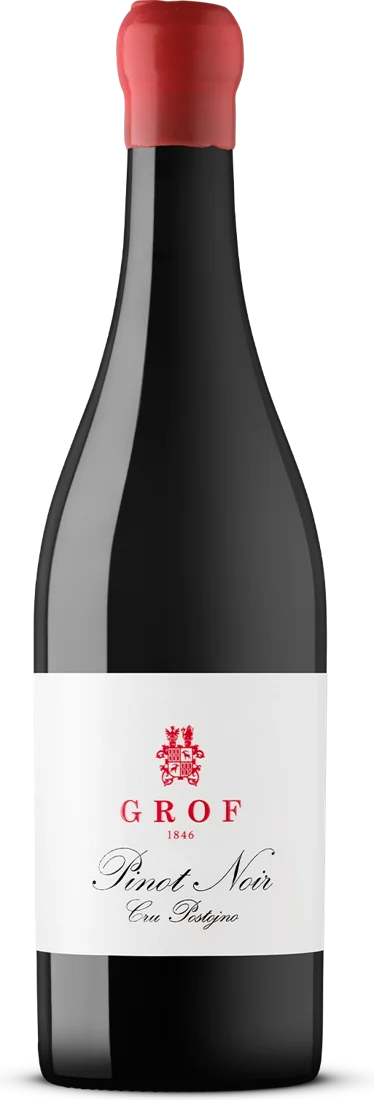
Pinot Noir Cru Postojno
Pinot Noir
Pinot Noir bearing the name of the Postojno vineyard.
Wine details
- In the cellar
- Cru: 15–20 days' maceration in 500 l casks, 18 months in French oak.